
Precision casting with excellent quality
Integrated research and development, manufacturing, sales, and technical services of laboratory scientific instruments and intelligent equipment
National Consultation Hotline 15738867410
Integrated research and development, manufacturing, sales, and technical services of laboratory scientific instruments and intelligent equipment
National Consultation Hotline 15738867410

15738867410
Greenland Binhu International City (District 1), Erqi District, Zhengzhou City, Henan Province
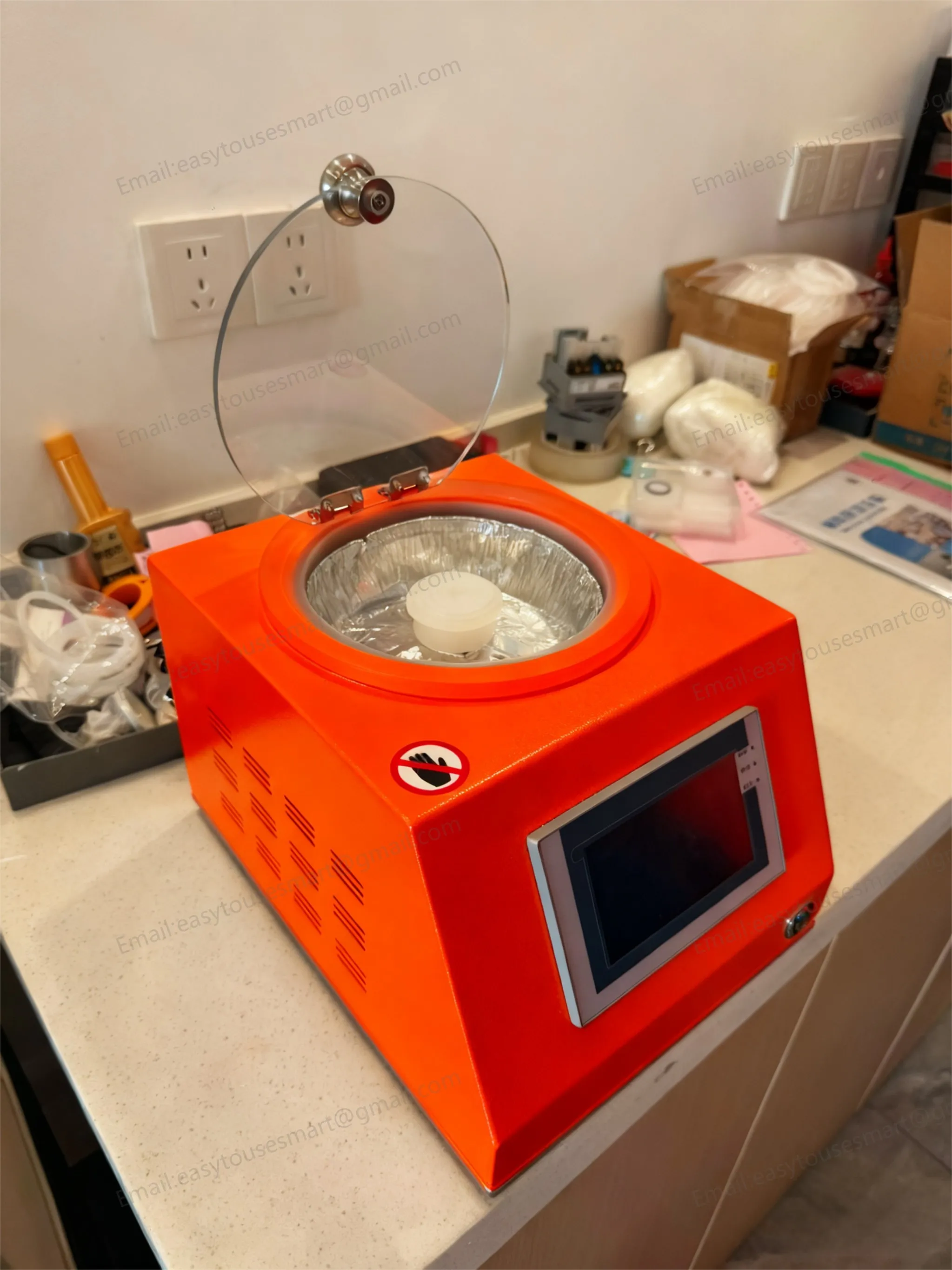
Details
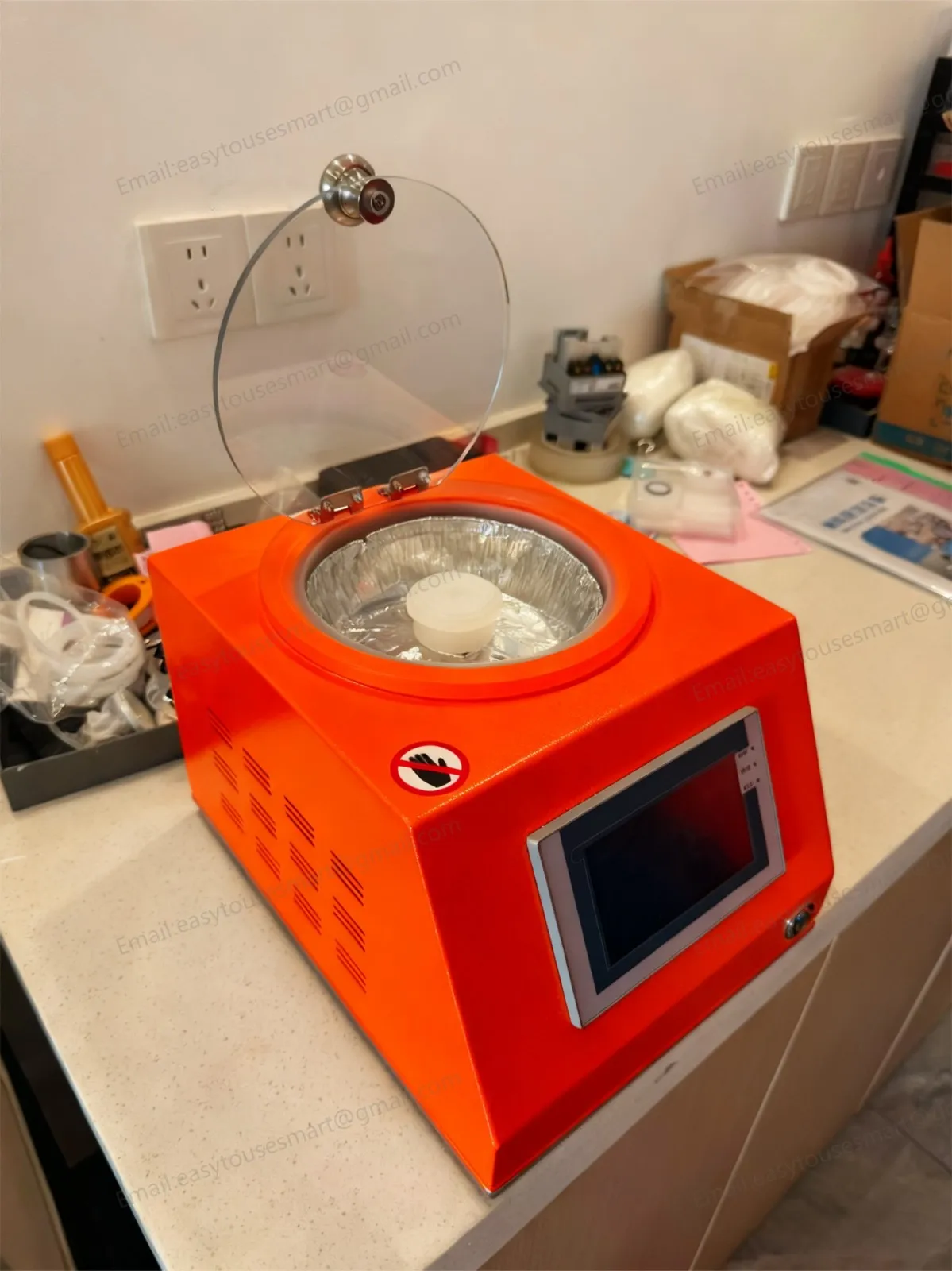
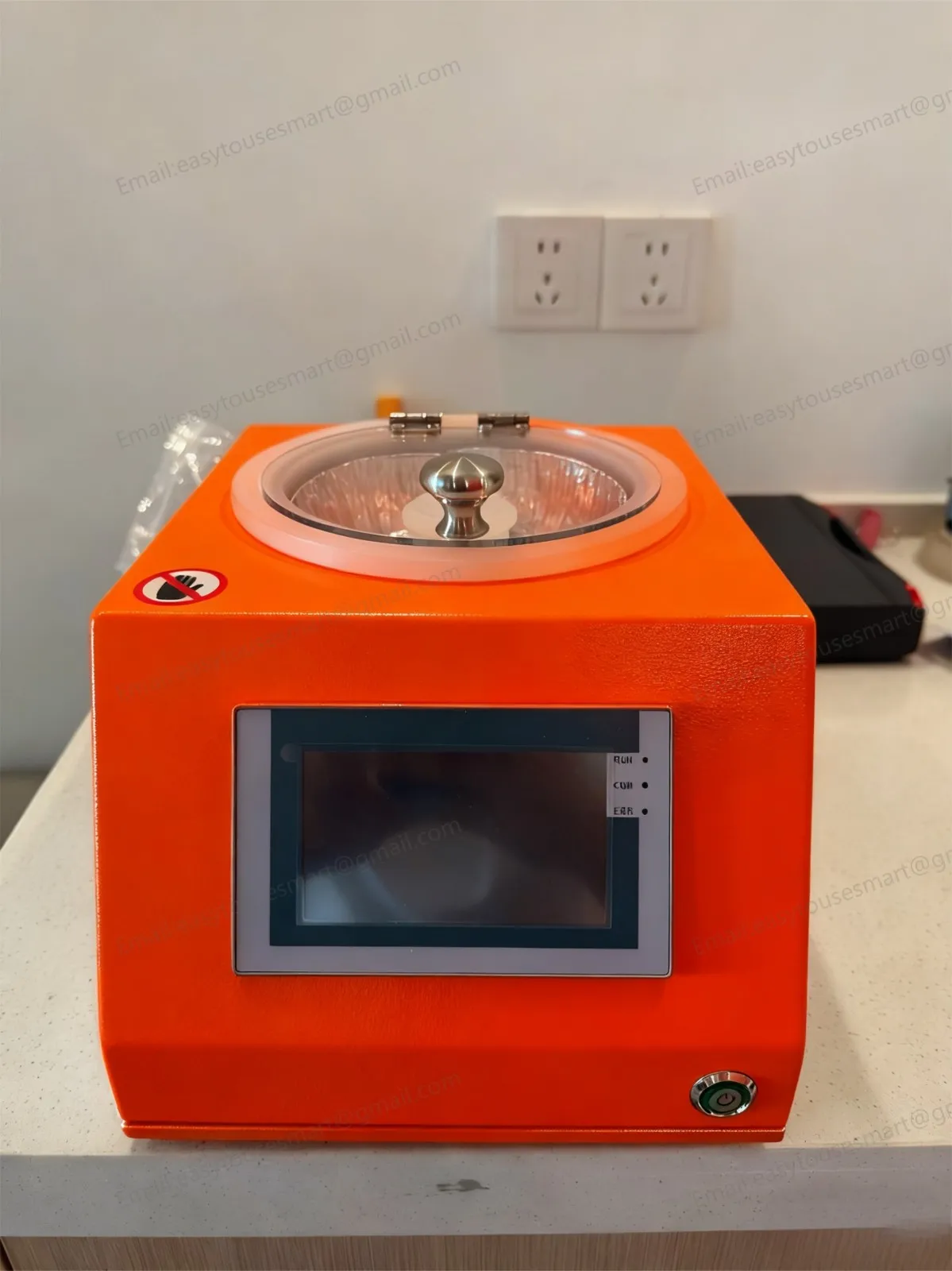
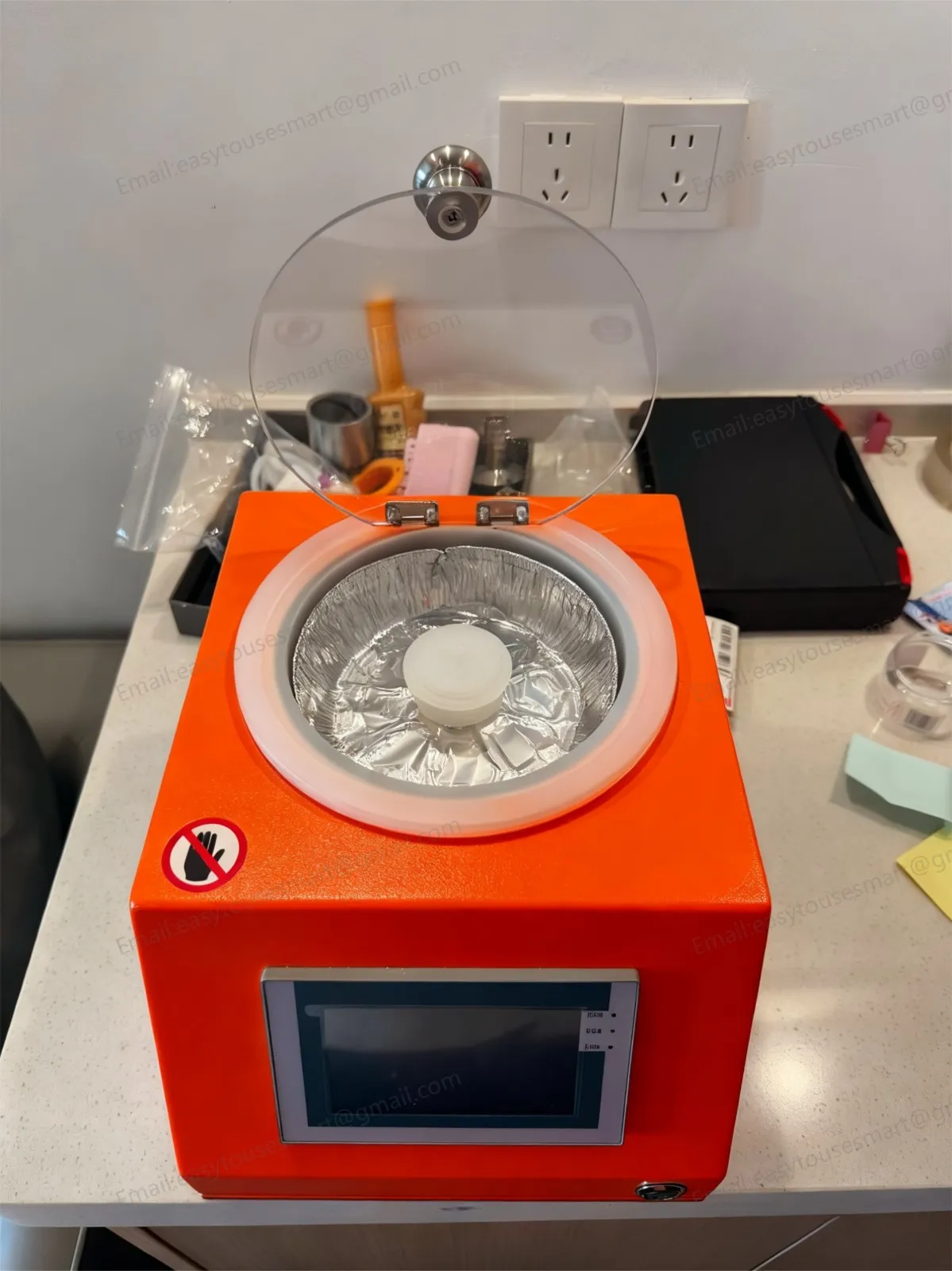
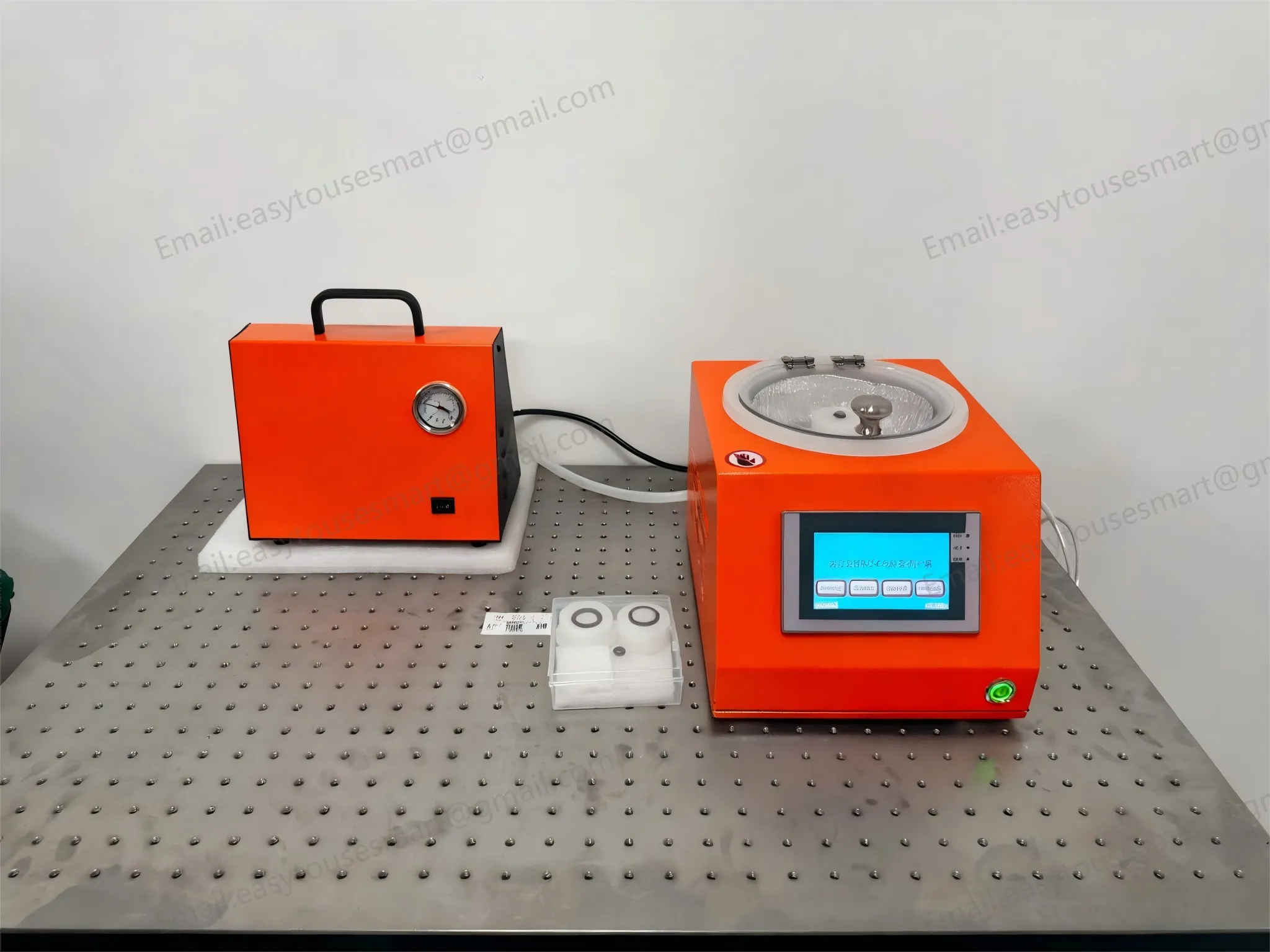
A spin coater (also called Spin Processor, glue applicator, spin coating apparatus, or rotating film applicator) is the core equipment for spin coating technology. It operates on a simple principle: liquid adhesive is applied to a high-speed rotating substrate, and centrifugal force ensures uniform film formation. The final film thickness depends on the adhesive-substrate viscosity, rotational speed, and coating time. Typically, spin coaters offer a speed range of 0–9999 rpm and support substrate sizes from 8mm to 20cm.
Spin coaters are essential tools for researchers in microfluidics, nanotechnology, and photolithography. They can prepare ultra-thin films (down to 10nm) and photoresist films (1–100μm thick), compatible with substrates like glass slides, silicon wafers, and ITO conductive glass.
The working process involves:
Vacuum adsorption: Negative pressure on the substrate holder secures the coating material.
Solution dispensing: Apply the coating solution to the substrate surface.
Controlled rotation: Adjust motor speed to modulate centrifugal force, matching the solution flow rate for desired thickness.
Factor control: Film thickness is also influenced by coating time, solution viscosity, ambient temperature, and humidity.
Common options: Cost-effective aluminum alloy or standard plastic (suitable for general use).
High-demand industries (semiconductors, chemicals): Use natural polypropylene or PTFE (polytetrafluoroethylene) for better corrosion resistance, high strength, durability, and impact resistance—avoiding deformation from high temperatures/pressures.
Accurate vacuum pressure calibration is critical: Insufficient pressure may cause substrate detachment (fly-off) and experimental risks.
Post-use maintenance: Clean the equipment with organic solvent while it’s running to ensure next-time reliability.
Speed and precision directly affect film thickness and uniformity. Minimal error between labeled and actual motor speed is essential for reliable experimental data.
Several operational behaviors impact film thickness:
Dispense an adhesive volume slightly larger than the final required coating amount.
Adjust substrate rotation speed (at constant time) to modify thickness.
Solvent evaporation during constant-speed, fixed-time rotation influences thickness.
Use fast acceleration to reach the ideal speed quickly.
Change the spin coating duration to adjust thickness.
Modify adhesive solution viscosity (while keeping speed and time constant) for thickness control.
A typical photoresist coating process includes three key steps: dispensing, spin coating, and drying (to remove excess solvent).
Static dispensing: Apply 1–10mL of photoresist to the center of a stationary substrate. Volume depends on adhesive viscosity and substrate size—higher viscosity or larger substrates require more photoresist for full coverage.
Dynamic dispensing: Apply photoresist while the substrate rotates at low speed (around 500 rpm). This method reduces waste, ensures even spreading, and prevents pinholes—ideal for low-wettability photoresists or substrates.
After dispensing, high-speed rotation (1500–6000 rpm) thins the photoresist to the target thickness. The speed is determined by adhesive properties (viscosity, solvent evaporation rate, solid content, surface tension) and substrate size. Rotation duration ranges from 10 seconds to several minutes.
Faster speed and longer coating time generally result in thinner films. The spin coating process requires sufficient time for balancing variable factors (e.g., evaporation, flow dynamics). Repeatability is the most critical factor—minor variations in process parameters can cause significant differences in film characteristics.
QR code

Contact information
15738867410
Online Message
Top